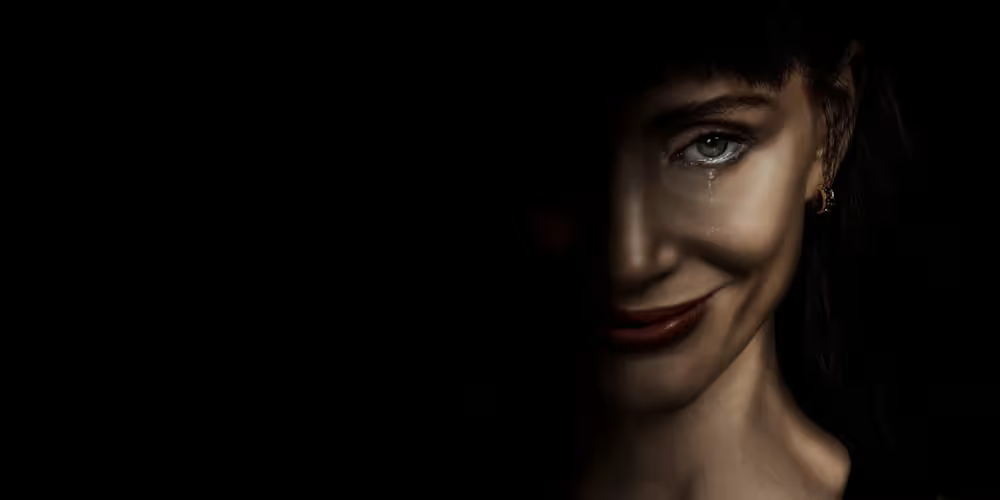
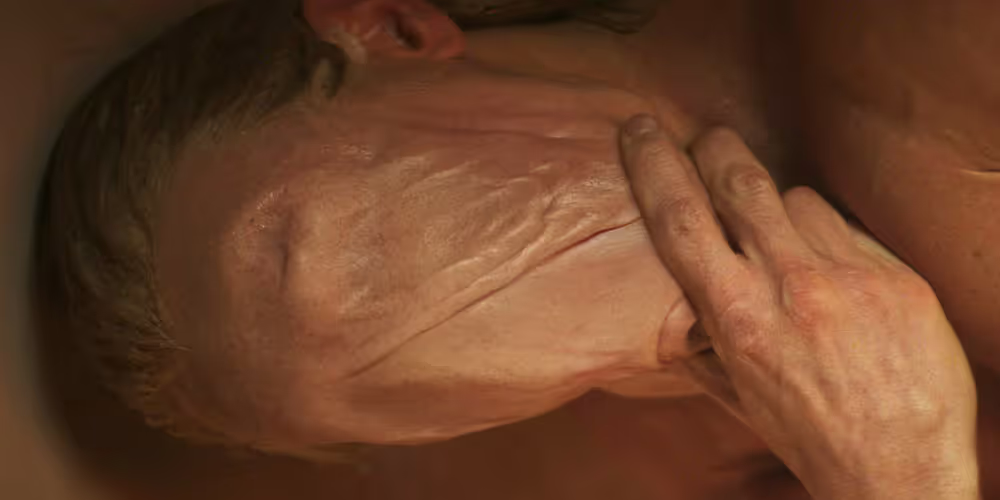
GREAT BAY--St. Maarten's legal and institutional framework is failing to provide sufficient protection for victims of domestic abuse, including children, according to findings outlined by Ombudsman Gwendolien Mossel, who announced that a special documentary featuring survivors will premiere on Tuesday, November 24, at the University of St. Martin.
The documentary, titled "Behind Closed Doors," will be presented as part of the Ombudsman's efforts to draw attention to the realities of domestic abuse and the shortcomings in the systems intended to protect those affected.
Speaking before Parliament on Thursday, Mossel provided an overview of a systemic investigation launched by her office in 2025 to examine whether St. Maarten's laws, government policies and institutions provide coordinated and effective protection against domestic abuse.
The investigation also examined the broader social conditions that influence how domestic abuse is experienced and addressed.
According to Mossel, the findings reveal major deficiencies in the country's response, including the absence of a national domestic abuse policy, gaps in legislation addressing coercive control and abuse following separation, and insufficient shelter capacity.
The investigation also identified a lack of reliable data and inadequate safe reporting mechanisms for children experiencing or witnessing abuse.
Mossel indicated that professionals working directly with victims are frequently confronted with fragmented and under-resourced systems, while institutions responsible for providing assistance do not consistently coordinate their efforts.
These shortcomings are further complicated by social and economic conditions, including poverty, housing shortages, financial dependence and attitudes that continue to treat domestic abuse as a private family matter.
The Ombudsman stressed that although government cannot immediately eliminate all the social factors contributing to domestic abuse, its institutions should not create additional obstacles for those seeking protection.
The investigation's final report is expected to be published shortly, following feedback from the ministries involved on the Ombudsman's draft findings.
To accompany the report, the Bureau of the Ombudsman will premiere a short documentary in which survivors share their personal experiences.
The screening is scheduled for Tuesday, November 24, at 7:00 p.m. at the University of St. Martin.
Mossel extended an invitation to Members of Parliament, including the parliamentary women's caucus, while emphasising that the issue concerns the entire community.
The event is intended to highlight that domestic abuse is not confined to private households but has consequences for victims, children, public institutions and society as a whole.
The Ombudsman's findings place renewed attention on the need for a coordinated national response, stronger legal protections, improved reporting mechanisms and better cooperation among agencies responsible for protecting vulnerable residents.
The upcoming report and documentary are expected to provide further insight into these shortcomings and the experiences of individuals affected by domestic abuse in St. Maarten.